


2424 Congress St. San Diego, CA 92110
Phone: (619) 296-6247
Email: info@soltekpacific.com
Estimating Fax: (619) 296-4314
Contractor’s License #886641
All rights reserved. Powered by Webflow


When the airport’s new Terminal 1 expansion required clearing the original United Airlines Hangar and Terminal, the simplest option would have been demolition. Instead, the airport and project partners chose preservation, and Soltek was trusted with the challenge.
The building was one of the oldest structures on the airfield, a 9,800-square-foot Mission Revival-style hangar that had witnessed generations of aviation history. Our task was to disassemble it, relocate it, and reassemble it with such precision that it would look and feel as if it had always stood in its new home.
In 2021, Soltek carefully disassembled the UAHT to make way for the new terminal. Every element that could be saved was cataloged, photographed, tagged, and protected for future reassembly, including:
These components were stored during design, then reassembled roughly 300 feet from the original site in what is now the structure’s permanent location.
What could not be salvaged was not simply replaced; it was recreated. Missing or deteriorated 1930s-era elements, including hangar door wheel assemblies, were reverse-engineered and fabricated to match the originals in both appearance and function. Paint samples were sent to a lab so the building’s exterior could be finished in the exact color it wore in 1931.
The result is more than a restored building. It is a carefully preserved chapter of San Diego’s aviation story, now positioned to live on for generations.
Fun fact: The building’s paint color is not just similar to the original. It was scientifically matched through laboratory analysis of historic samples.

In the world of construction, we tend to picture new towers, expanded infrastructure, and a changing skyline. The UAHT project reminds us that progress also means knowing what to keep.
By preserving this historic hangar and terminal, the project allowed the airport to modernize Terminal 1 while honoring the legacy of Lindbergh Field. UAHT now stands as a tangible link between early aviation on the site and the next era of air travel in San Diego.
Soltek’s role went beyond following a set of drawings. While the project was delivered under a Design-Bid-Build contract, the extreme precision and historical sensitivity required meant our team was deeply involved throughout pre-construction, construction, and closeout. We worked closely with specialty subcontractors, the design team, and airport stakeholders to ensure every step respected both the building’s character and its modern performance requirements.
In this AGC Build San Diego feature, Soltek’s Dave Shields shares the project in his own words and reflects on the journey behind the United Airlines Hangar Reassembly.
Recreating a historic building in a new location required a mindset closer to conservation and historic restoration than typical construction.
Meticulous documentation and protection
Before a single piece was removed, the hangar and terminal were thoroughly documented. Each beam, door, and architectural element was cataloged. Photography, tagging, and careful mapping allowed the team to track original locations and conditions, which made the reassembly phase smoother and more precise.
Integrating old and new
One of the central technical challenges was blending historic materials with new structural systems. Soltek partnered with specialty subcontractors to:
This collaborative, early involvement approach kept the project aligned technically and architecturally from the outset.
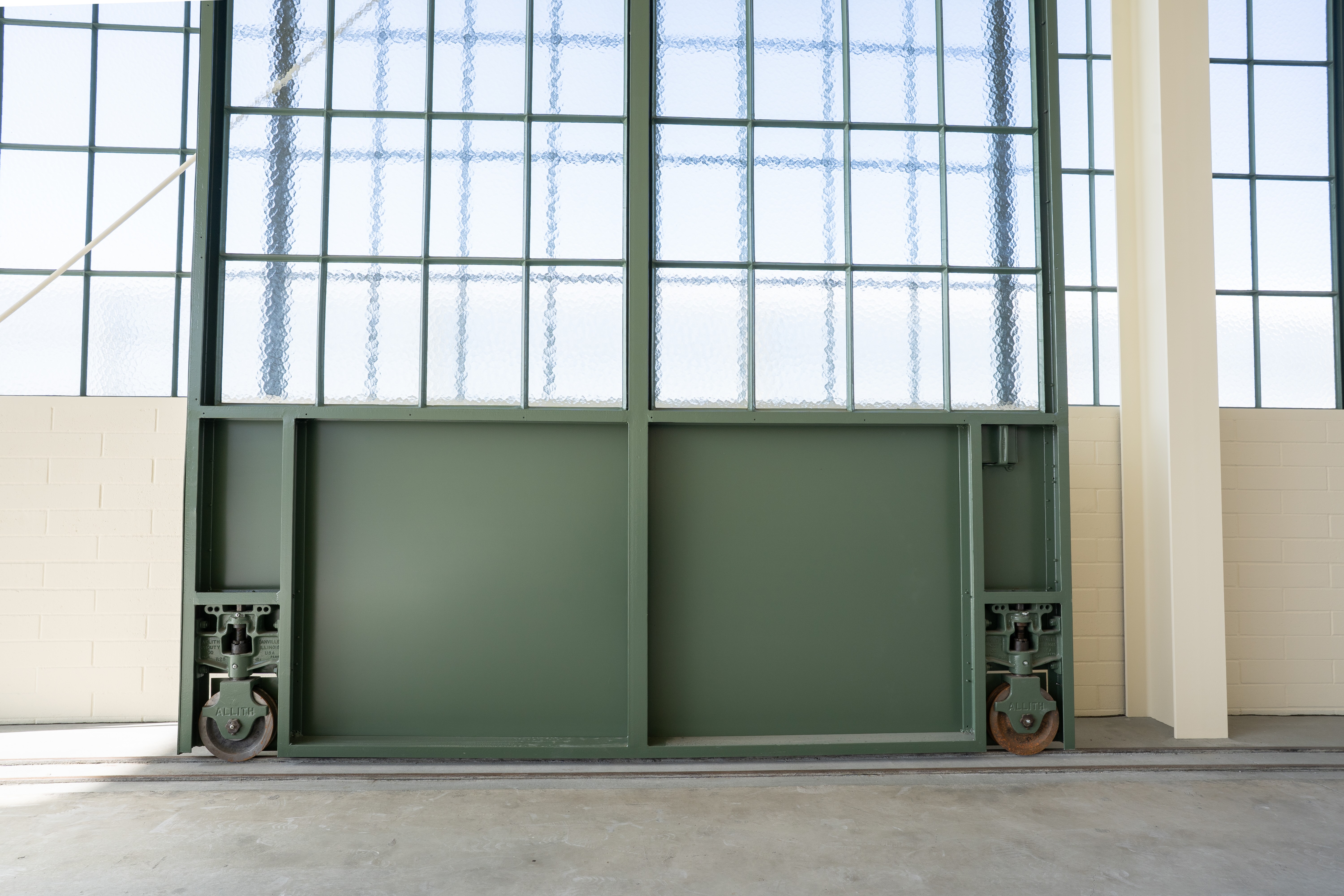
Key innovations included:
Fun fact: The project preserved and reused old-growth redwood, a material that is both highly valued and increasingly rare in modern construction.
Executing this level of precision work would be challenging on any site. Doing it within an active airport environment added another layer of complexity.
The team operated under:
Despite these constraints, Soltek managed the disassembly, storage, relocation, and reassembly with careful phasing and disciplined planning, ensuring that airport operations remained uninterrupted.
Safety milestone: The entire project was completed with zero lost-time incidents or injuries, a reflection of the team’s commitment to planning, safety, and accountability.
Beyond engineering and logistics, the UAHT project was defined by the people who brought it to life. The UAHT crew not only delivered a landmark restoration, but they also took first place in Soltek’s company-wide cross-jobsite toy drive, donating the most toys of any project for the AGC Annual Toy Drive.
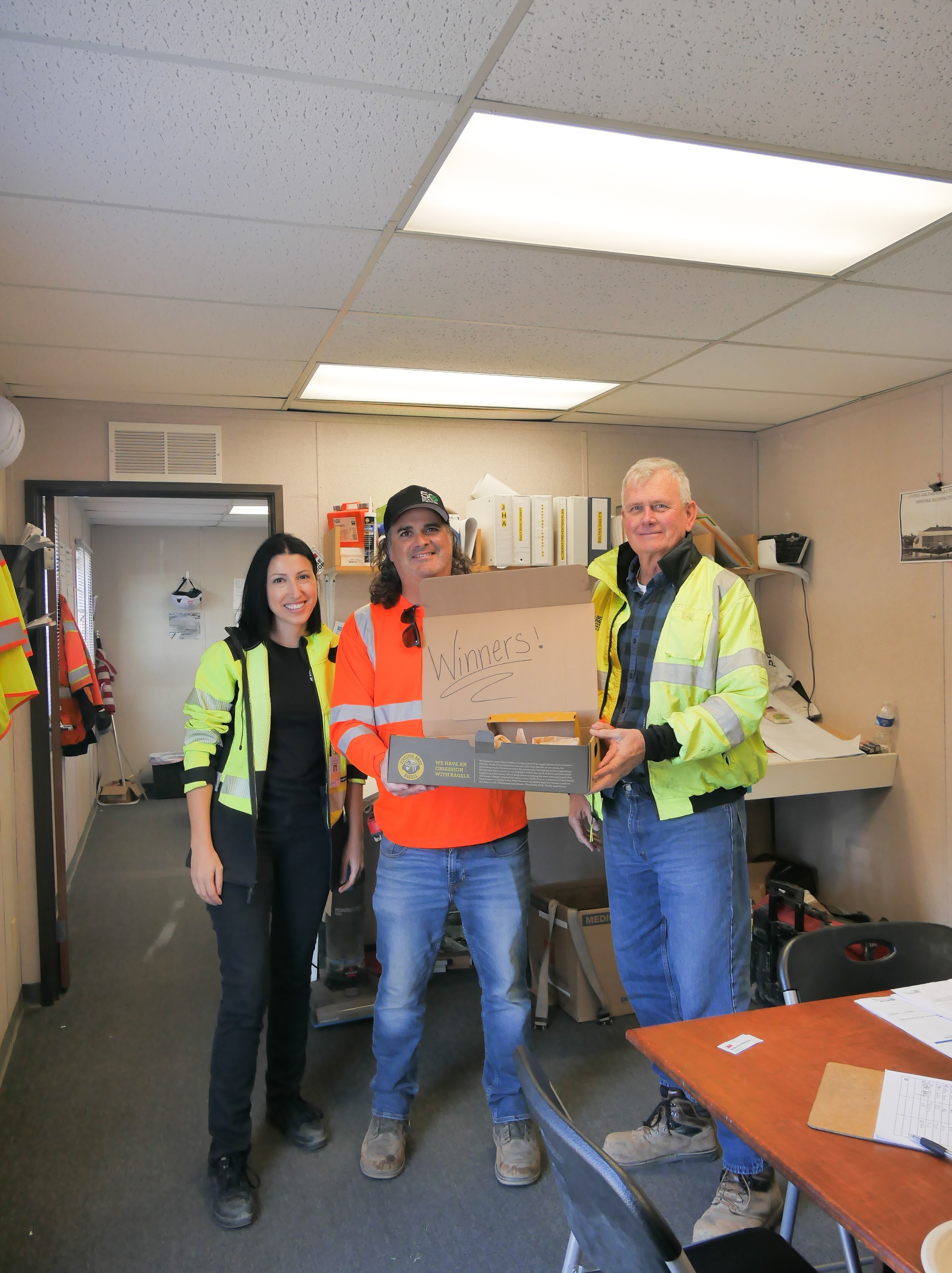
You could argue that saving a nearly 100-year-old aviation landmark is community service on its own, preserving a physical piece of history for future generations of San Diegans. But the UAHT team’s impact did not stop there.
While managing a complex historic relocation in a highly controlled environment, the team still made time to give back. Their victory in the company toy drive reflected the same teamwork, generosity, and spirit that defined the project itself.
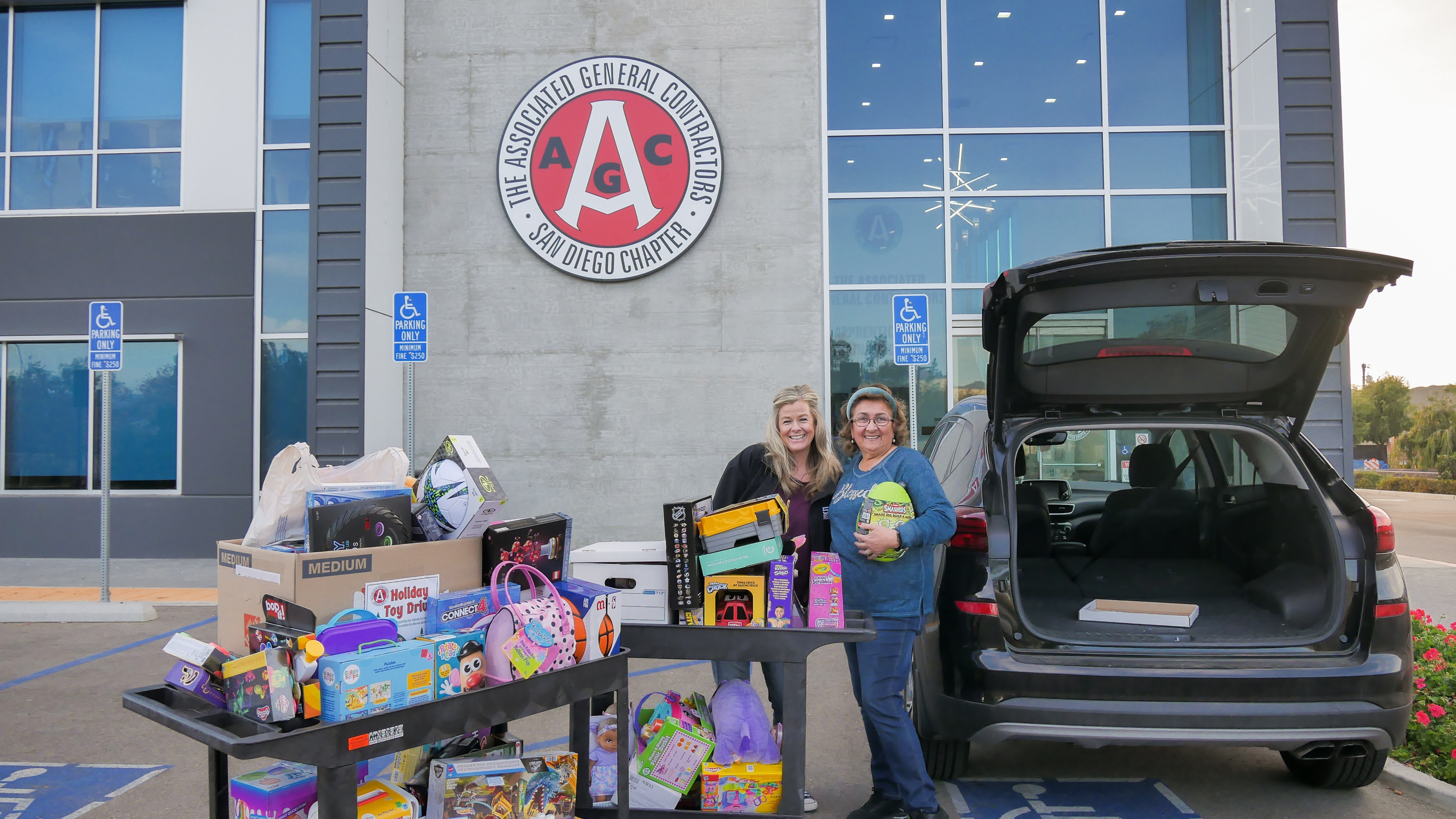
For Soltek, the UAHT project was an opportunity to do what we do best. Combine technical excellence with genuine care for craftsmanship, culture, and community.
Soltek is proud to have helped San Diego move forward without losing sight of its past!
Hear from Soltek’s Dave Shields as he shares a behind-the-scenes look at the United Airlines Historic Terminal relocation and restoration. In this short video, Dave explains the challenges of preserving a nearly 100-year-old hangar in an active airport environment and what it meant to the team to help San Diego move forward while honoring its past.